Antaris sells the software behind satellite constellations, from design and simulation to manufacturing and operation, and outside the United States it sells fully integrated satellite capability to allied sovereign nations that want their own space capability. Tom Barton, its co-founder and CEO, had scaled companies through three exits and taken one public before he and his co-founder Karthik started it. The Series A had a lead and an anchor in West Wave Capital and Lockheed Martin, who set the price and did the first close. What Tom could not get to on his own were the family offices with an interest in space, and with two founders and a fractional CFO there was no one else to run a structured process.
The round already had its price.
West Wave Capital and Lockheed Martin set the terms and did the first close, and Antaris went into a rolling close from there. What was left to decide was who else came in.
The family offices were out of reach.
Tom could get to the strategics and the Silicon Valley venture firms active in space on his own. The family offices with an interest in the sector were the part of the market he had no route to.
A Series A asks for more discipline than a seed.
Tom found that even with strong commercial traction the bar for the materials, the data room and the deck was much higher than at seed, and with two founders and a fractional CFO there was no team to build any of it.
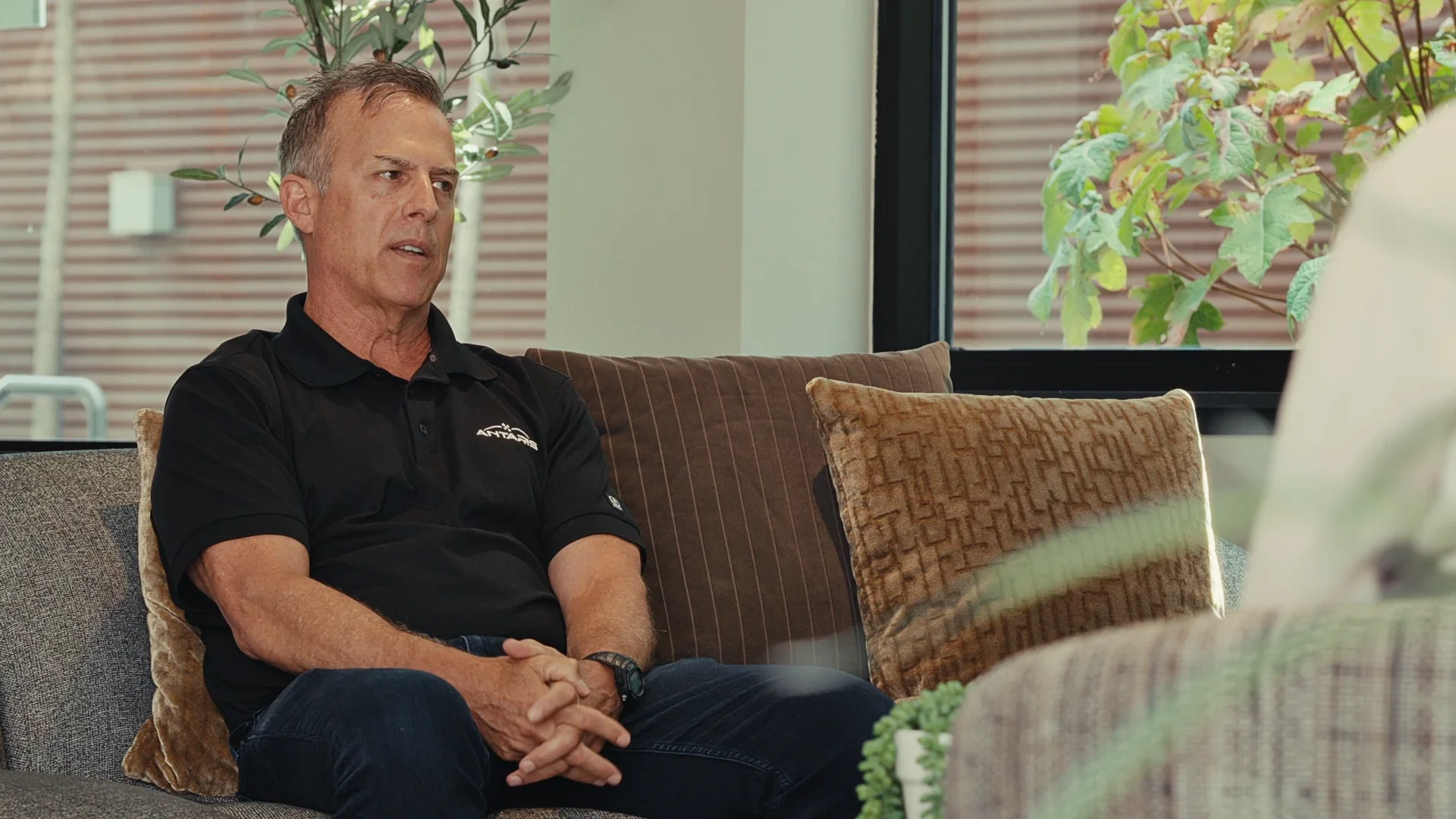
“I can get to a lot of strategics in the sector. I could get to those on my own. What I couldn't get to was the family offices that are interested in the space sector.”
Tom Barton, Co-founder and CEO, Antaris
Pairs came in while the round was already in a rolling close, to widen the top of the funnel and bring more discipline to the family office side. Onboarding on the Pairs platform now takes a few minutes and loses none of the depth, and first introductions are booked within 24 to 48 hours of completing it.
1
Run the deck before the investors see it.
During onboarding Tom did a dry run of the Series A deck with Julian Carter from the Pairs team and took feedback on it. A Series A investor expects the materials, the data room and the story to hold up, whatever the traction says.
2
Go after the family offices Tom could not reach.
A set of family offices with an interest in space, alongside some more traditional institutional investors, more than 20 meetings in all. Around five of the investors he met already knew the sector and the companies in it, which made for a different conversation than with a generalist.
3
Brief every meeting and stay in the room.
Before each call the team sent a note on who Tom would be meeting and connected him with them on a separate thread for questions and logistics, and someone from the team sat in on almost every investor call.
“Pairs ran a very disciplined approach to going after a set of investors that I didn't think I could get to on my own. It worked out as planned from my perspective.”
Tom Barton, Co-founder and CEO, Antaris
One of the family offices Pairs introduced invested in the Series A, and Tom describes it as precisely the type of investor he set out to find. It had some familiarity with the sector, wanted to make a bet in space, asked intelligent and informed questions, and did not drag Antaris through endless rounds of diligence. The Series A went on to be oversubscribed, and Antaris ended up turning investors away, which Tom says is how you want it to happen.
Tom did not need these introductions to close the round. He treated the work as an insurance policy against being overconfident about how fast the round would close, and as a way to bring family offices into the round in whatever role was needed, which one of them then did. The introductions went beyond capital too, as customer introductions for Antaris came through the network as well. He came away with a view on the team on top of that. He says he dropped the ball on logistics a handful of times himself, and that nobody on the team ever did.
RELATIONSHIP IN NUMBERS
Client since
March 2025
Round
Series A
Lead and anchor
West Wave Capital and Lockheed Martin
Investors met
20+
Time to first introduction
24 to 48 hours after onboarding on the current platform
Customer introductions
Made through the network
Round outcome
Oversubscribed
A Series A is a different process from a seed.
Seed money came in on notes and SAFEs with no hard clock, so the process could be informal. At the A, Tom found the bar for the materials, the data room and the deck much higher, whatever the traction.
Know which investors you can reach yourself.
Tom could get to the strategics and the Silicon Valley firms active in space on his own, so that is where he spent his own network. The family offices were the gap, and that is where he brought in help.
Pick investors for the stage you are at.
At seed the most useful investor gets you to the A. At the A the bar is higher, and Tom wanted people with relationships in the sector, with the US government and with the syndication partners for the next round.
A family office that knows the sector is a different call.
Around five of the investors Tom met had a point of view on space and the companies in it. He had expected financially sophisticated family offices who would need the sector explained to them.
Rehearse the deck with someone who will tell you the truth.
Tom did a dry run of the Series A deck during onboarding and took the feedback. He had expected the traction to carry the story, and it did not remove the need to present it well.
Capitalizing the company is the CEO's job.
Tom's day has no fixed start or end, whatever time zone he is in, so there is always room for a half-hour call with a qualified investor. He does not see an excuse for turning one down.
Frequently Asked Questions
Pairs went after the family offices with an interest in space that Tom could not reach on his own, alongside some more traditional institutional investors, more than 20 meetings in all, and ran that side of the round with the discipline a Series A needs. Tom did a dry run of his deck with the team during onboarding, every meeting came with a briefing on who he would be speaking to, and someone from the team sat in on nearly every call. One of the family offices Pairs introduced invested, the network also produced customer introductions for Antaris, and the round closed oversubscribed.
Tom already had a list of the strategics and venture firms he could reach himself. What he did not have was a route to the family offices interested in space, and a list would not have given him one. These were introductions to people who wanted to be in the meeting, with a note beforehand on who they were and someone from the team on the call.
No. Antaris already had a lead and an anchor in West Wave Capital and Lockheed Martin, and the round was in a rolling close before Pairs came in. Tom describes the work as an insurance policy against being overconfident about the pace of the close, and as the way to bring family offices into the round. The round closed oversubscribed on the strength of the company supplemented by Pairs through the right strategic intros.
Family offices with an interest in space and some more traditional institutional investors. Tom had expected family offices that were sophisticated financially and light on the sector, and around five of the investors he met knew the market and the companies in it well enough to have a point of view. The one that invested wanted to make a bet in space, asked informed questions and kept diligence proportionate.
Antaris was already in a rolling close when Pairs came in, and the family office introductions ran alongside it. On the current platform onboarding takes a few minutes at the same depth and first introductions are booked within 24 to 48 hours of completing it.
Tom raised this himself. In Silicon Valley some investors read outside help on an A round as a question about whether the team can raise on its own, and he thinks that is valid in some situations. He also thinks it is changing, and that when the reason is efficiency and access to a pool of investors the company could not reach in the same timeframe, it is the right call. With two founders and a fractional CFO, Antaris did not have a team to run the process any other way.
Antaris is building toward the milestones Tom cares about, the number of sovereign nations it works with and the number of satellites in orbit running its technology. Further announcements are coming in the months ahead.