A Series A Is Not a Bigger Seed
Tom Barton had already scaled companies through three exits when he co-founded Antaris, and the Series A still caught him off guard. Here is what changed between his seed round and his A, and what other founders can take from it.
By Vincent Possehl, Partner at Pairs · Published November 10, 2026 · 9 min read

The Short Answer
A seed round can be informal, because SAFEs and notes rarely come with a deadline. A Series A is a priced, structured process with a much higher bar for the deck, the data room and the story, and the investors in it need to bring more than money. In 2026 there are also fewer Series A rounds, and each one is bigger.
−17%
Series A rounds, Q1 2026 vs Q1 2025
+12%
Series A capital over the same period
$14.4M
median Series A, at an $80M valuation
Key Takeaways
01
Series A rounds on Carta fell 17% in Q1 2026 from a year earlier, while the money in them rose 12%. Fewer, bigger rounds raise the stakes of each one.
02
A seed round can move informally. A Series A needs a structured process, a professional deck and a complete data room, whatever your traction.
03
At seed, the best investor gets you to the Series A. At the Series A, investors should bring sector relationships, customers and the next round’s syndicate.
04
Before you raise, map which investors you can reach yourself and which you can’t. Spend your own network on the first group and get help only for the second.
05
Most family offices are reached through warm introductions. The few that know your sector are worth finding.
Tom Barton spent his career as the operator brought in to scale other people’s companies, taking them from a few million in revenue to a few hundred million, building their leadership teams, and in one case taking a company public. Three of those companies ended in successful exits, but none of them was a company he had started himself.

While it’s true that I had had three successful exits, I’ve never been the founder of a company.

Tom Barton
Co-founder and CEO, Antaris
So when he and his co-founder Karthik Govindhasamy, his former colleague at Planet Labs, started Antaris, Tom came to the Series A with more operating experience than most founders will ever have. Antaris builds the software to design, simulate, manufacture and operate satellite constellations, and outside the United States it sells fully integrated satellite capability to allied nations. The company had strong commercial traction. Its Series A was anchored and priced by WestWave Capital and Lockheed Martin, and even with all of that behind him, the raise surprised him.
It just surprised me that despite our massive commercial traction that we still had to really dot all the I’s and cross the T’s and run a more structured process.
Tom Barton
Co-founder and CEO, Antaris
We worked with Tom on the family office side of that round, and someone from our team sat in on almost every investor call. This piece is what we took away from it, in his words where we can, and ours where it helps.
Why Is Raising a Series A Harder in 2026?
Because there are fewer Series A rounds and each one is bigger. Series A rounds on Carta fell 17% in Q1 2026 from a year earlier, while the money in them rose 12%.
That’s 369 rounds, down from 444, with $7.0 billion going in, up from $6.2 billion. The median Series A is now $14.4 million at an $80 million valuation.
It also takes longer to get there. Of the companies that raised a Series A in the third quarter of 2025, 23% did it within about two years of their seed. In 2019 it was 41%. The share taking three years or more doubled, from 19% to 39%.


When rounds are fewer and bigger, a missed round or one that runs long costs a founder more than it used to. The investors who do come in also matter more, because there are fewer chances later on to fix the cap table.
What Changes Between a Seed Round and a Series A?
The clock, the process and the bar. A seed round on SAFEs or notes can move informally, but a Series A is a priced round that needs a structured process, a professional deck and a complete data room.
Tom describes his seed round as organic and informal. Antaris raised on convertible notes and SAFEs, and without a hard clock, the process could move around.
Because you’re raising from a convertible note or SAFEs that are not particularly time bound, you can afford to just kind of skip around.
Tom Barton
Co-founder and CEO, Antaris
The Series A worked very differently. The bar for the materials, the data room and the deck was much higher, the process needed someone actively running it, and what Tom needed from his investors changed as well.


What Should a Series A Investor Bring Beyond Money?
Relationships in your sector, introductions to partners and customers, and the syndicate for your next round. At seed, the most useful investor simply helps you reach the Series A.
Tom is direct about what he expects from seed investors. In his view, their most useful role is introducing you to the people who will lead your next round.
Most seed stage investors are useful for, frankly, just helping you get to the A round.
Tom Barton
Co-founder and CEO, Antaris
At the A, he says, investors “need to clearly bring something to the table.” For Antaris that meant relationships with partner companies and with syndication partners for the next round, plus help with the US government, the Department of Defense and the large prime contractors.
Why a Strategic Investor Can Take Years to Pay Off
Lockheed Martin is the clearest example of a strategic investor in Tom’s story. He wanted Lockheed in the seed round and got them, but it took another two years before Lockheed became a customer. Over that time, Tom says, they were enormously helpful in explaining the space ecosystem and in getting Antaris ready to serve the US government.
The relationship has kept growing since. In September 2025, Tom and his co-founder Karthik Govindhasamy met General Nicholson, CEO of Lockheed Martin Middle East, to work together on bringing Antaris’s AI for Space capabilities to the region. For founders choosing a strategic investor, the lesson is that the value often arrives years after the check, so it is worth judging them on where the relationship can go rather than on what it opens in the first month.

Antaris co-founders Tom Barton and Karthik Govindhasamy with General Nicholson, CEO of Lockheed Martin Middle East, in September 2025. Photo: Karthik Govindhasamy on LinkedIn.
How Do Founders Reach Family Offices Outside Their Network?
Mostly through a warm introduction from someone the family office already trusts. Few family offices invest in startups at all, so the work is finding the ones that know your sector and reaching them through the right person.
This is the question that shaped Tom’s Series A. Antaris sells mostly outside the United States, and Tom noticed that few US investors, especially in defense and aerospace, know those markets well. So he deliberately added investors from outside the US to the cap table.
He could reach most of the rest of the market himself, including the strategics in his sector and the Silicon Valley funds active in space, but there was one group he had no route to.
I could get to those on my own. What I couldn’t get to was the family offices that are interested in the space sector.
Tom Barton
Co-founder and CEO, Antaris
Family offices that understand a sector like space are rare. J.P. Morgan’s 2026 survey of 333 family offices found that 57% have no venture exposure at all, and venture and growth equity make up 3.3% of the average portfolio. The few that do invest in your sector are worth the effort to find, and they are very hard to reach without an introduction.
We call the exercise Tom went through a reach map, and it takes about ten minutes to do for your own company before you decide who should see your deck.


Map your own reach before you raise
01
Who can you reach yourself?
02
Who can’t you reach?
03
What does that gap cost you if the round runs long?
04
What should the right investor bring beyond money?
Does Using Outside Help to Raise Look Bad to Investors?
It can, when the help takes a percentage of the round or sends your deck to hundreds of inboxes. It reads differently when it gets you in front of investors you couldn’t reach in time on your own, through someone they already trust.
Tom raised the worry himself. In Silicon Valley, he said, some investors see outside help on a Series A as a signal.
Sometimes people look at that and they go, okay, well, why can’t this team raise capital on their own?
Tom Barton
Co-founder and CEO, Antaris
He thinks there is some truth in that, but he judges outside help by a different question: does it get you in front of investors you could not reach in the same timeframe on your own? That mattered for Antaris, which has two founders and a fractional CFO and, as Tom put it, no staff of 20 to build decks and models.
He also had a second reason. The round was already priced and moving, and he did not want to bet the company on how quickly it would close.
I never wanted to be overconfident with respect to how rapidly we were going to be able to close the round. So I wanted the insurance. Think of it as an insurance policy.
Tom Barton
Co-founder and CEO, Antaris
How the help is paid also matters. Tom said he had been approached by many institutions that wanted a significant percentage of the total raise, which he said raises issues of a different sort. Our own view is that what looks weak to an investor is a deck sent to a hundred inboxes, while a warm introduction from someone they already trust, with a clear reason attached, tends to be taken seriously.
Do Family Offices Understand Specialized Sectors Like Space?
Some do, and those are the ones worth finding. Around five of the investors Tom met already knew the space market and the companies in it.
Tom expected the family offices to be financially sophisticated but new to space, and to need the sector explained, but around five of the investors he met already knew the market and the companies in it and came with their own point of view.
One family office invested. Tom describes it as exactly the investor he was looking for: interested in space, familiar with the sector, and intelligent and informed, but one that “didn’t drag us through endless rounds of diligence.” The Series A closed oversubscribed, and Antaris had to turn investors away.

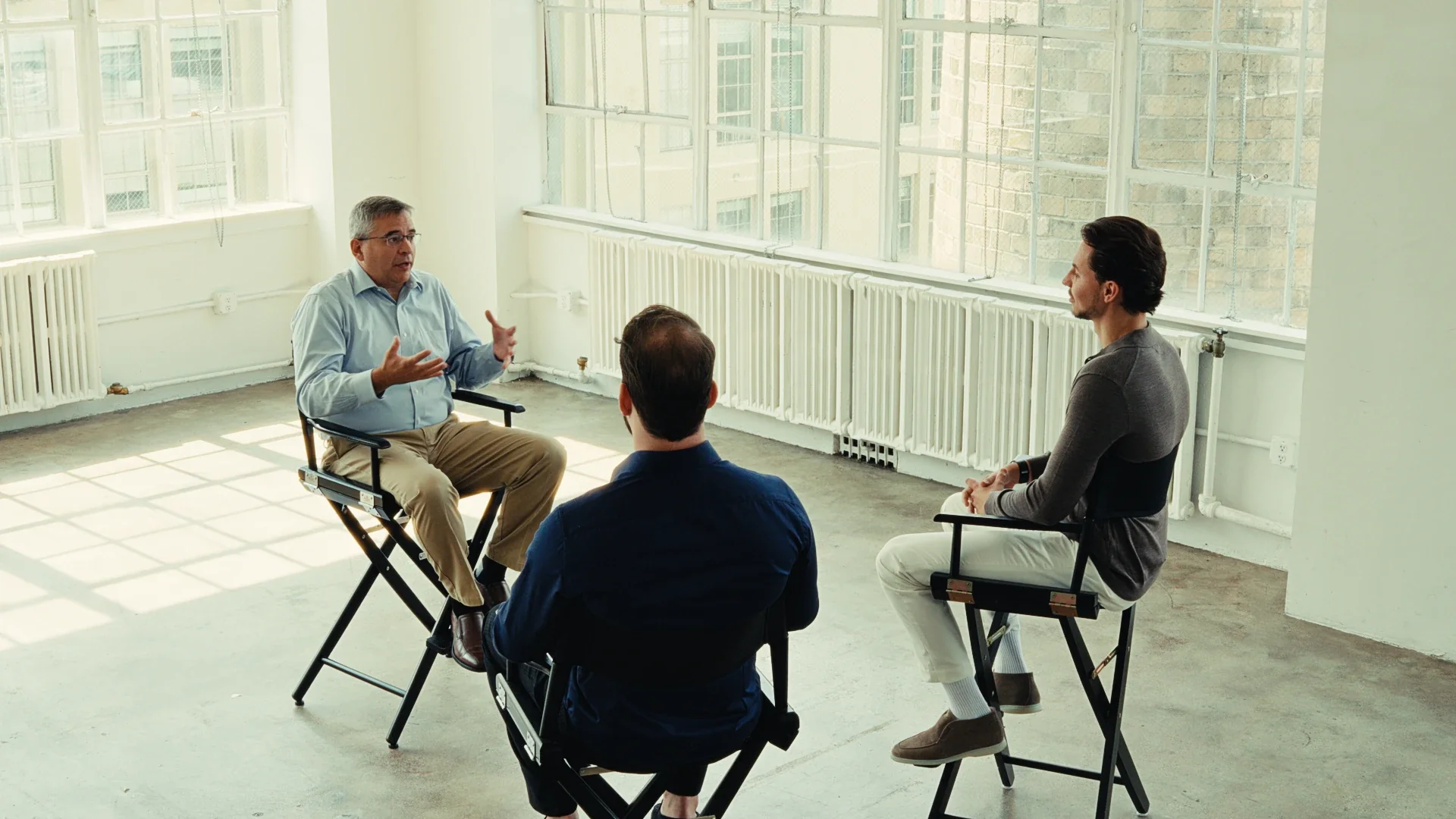
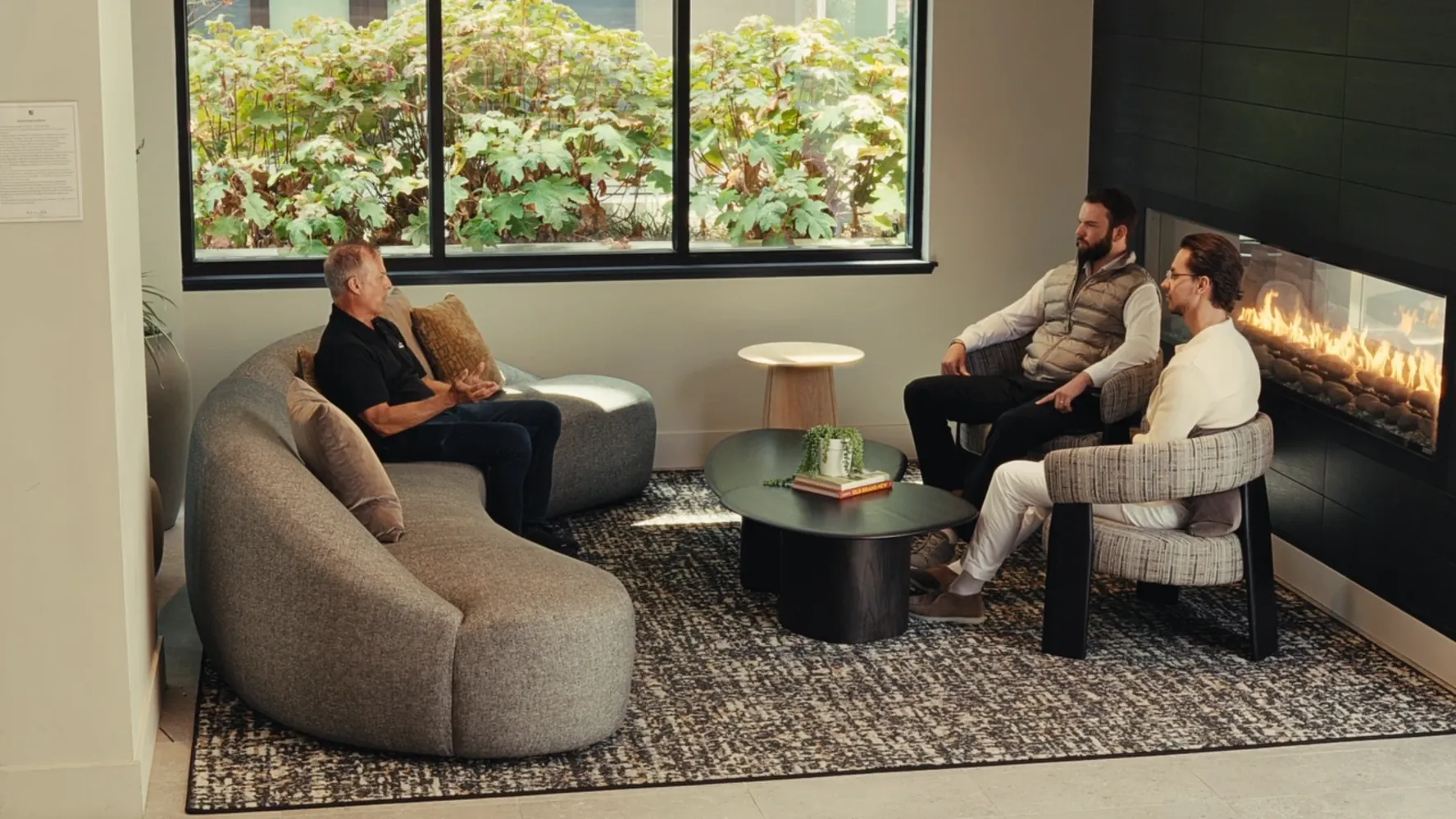
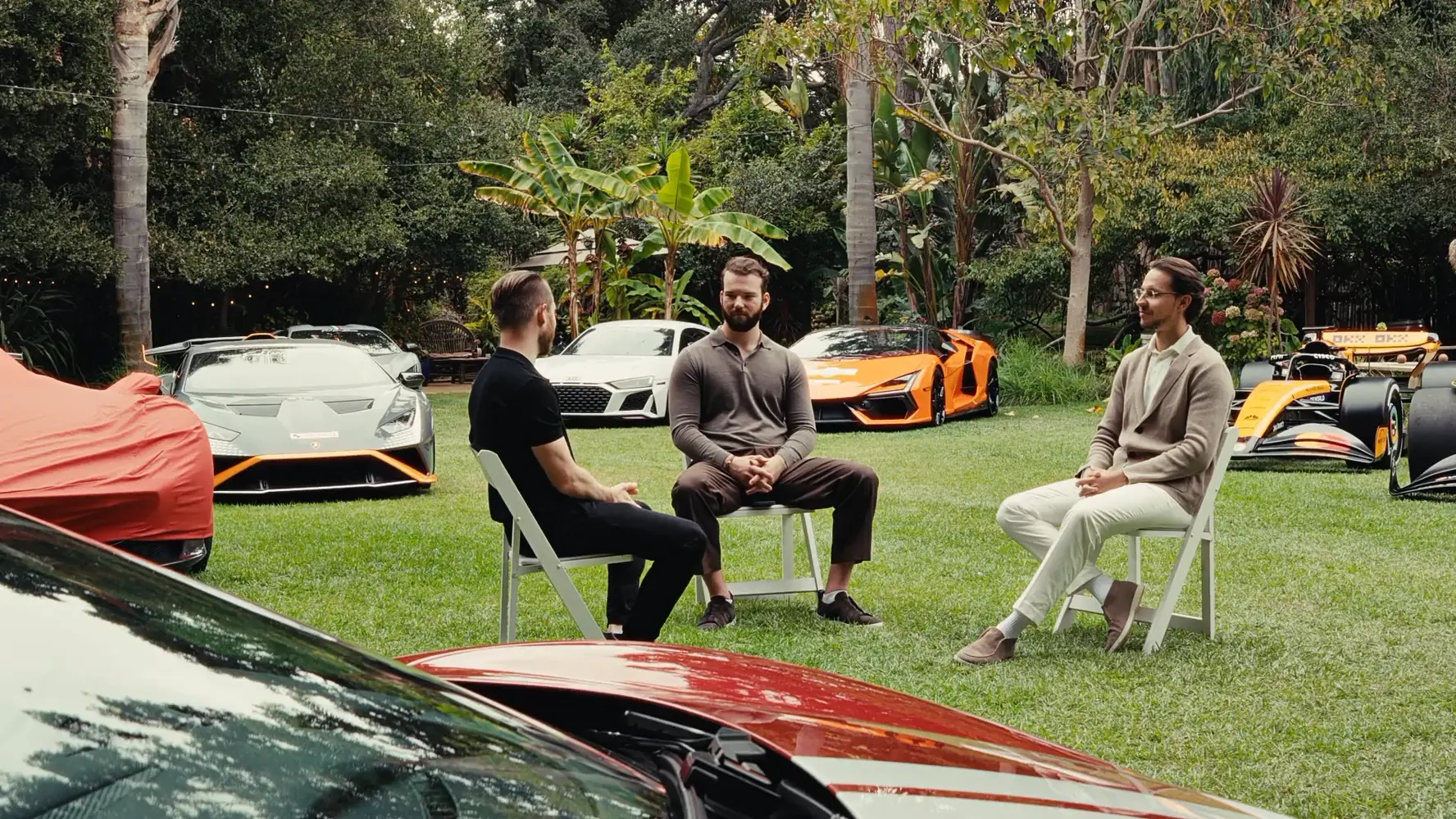
The Beyond the Check conversation with Tom Barton.
How Should You Prepare for a Series A Investor Meeting?
Rehearse your deck with someone honest, research every investor, get briefed on who is in the room, and decide what you need beyond money.
These are five habits from Tom’s raise that any founder can apply to their own.
01
Rehearse the deck with someone who will tell you the truth.
Tom did a dry run of his Series A deck with our team before any investor saw it, and took the feedback. Strong traction did not remove the need to present it well.
02
Research every person before every call.
Tom always looks up the investor’s LinkedIn profile, their experience, and what their firm has backed, including companies that are adjacent or even competitive.
03
Get briefed on who is in the room.
Every one of his meetings came with a note in advance on who he was meeting, plus a separate thread to sort questions and logistics.
04
Know what you need beyond money.
Decide before the meeting whether you need sector relationships, government access, customers or help with the next round, so you can judge each investor against it.
05
Take every qualified call.
In Tom’s words, “it’s the job of the CEO to properly capitalize the company,” and there is “never an excuse to not take a call with a potentially qualified investor.”
The View from the Middle
Most founders I talk to have spent months on their deck and almost no time on who they’re sending it to. Tom did it the other way around: before his first meeting he knew which part of the market he could reach and which part he couldn’t, and that is often the difference between a round that drags and one that ends with you turning investors away.

Vincent Possehl
Partner, Pairs

Beyond the Check · Episode 01
Watch the Full Conversation with Tom Barton
What each stage of investor should bring, why Lockheed Martin took two years to become a customer, and whether outside help makes a founder look weak.
Sources
1.
Tom Barton, interview for Beyond the Check, Episode 01, Pairs, 2026.
2.
Carta, State of Private Markets Q1 2026. Series A rounds and capital, Q1 2026 vs Q1 2025.
3.
Carta, VC startup fundraising benchmarks, July 2026. Median Series A raise and valuation.
4.
SaaStr, analysis of Carta data on 3,365 startups, November 2025. Time from seed to Series A.
5.
J.P. Morgan Private Bank, 2026 Global Family Office Report. Venture allocation and exposure.
6.
Karthik Govindhasamy, LinkedIn post, September 22, 2025. Meeting with Lockheed Martin Middle East.
About Antaris
Antaris builds the software to design, simulate, manufacture and operate satellite constellations. Outside the United States it sells fully integrated satellite capability to allied sovereign nations. antaris.space
About Pairs
Pairs (pairs.ai) is a private capital network founded by Vincent Possehl and Jamal Chraibi. We introduce breakout founders to the investors who know their market and can open the doors they need. pairs.ai